Overview of the Automated Neonatal Exchange Transfusion (ANET) Device
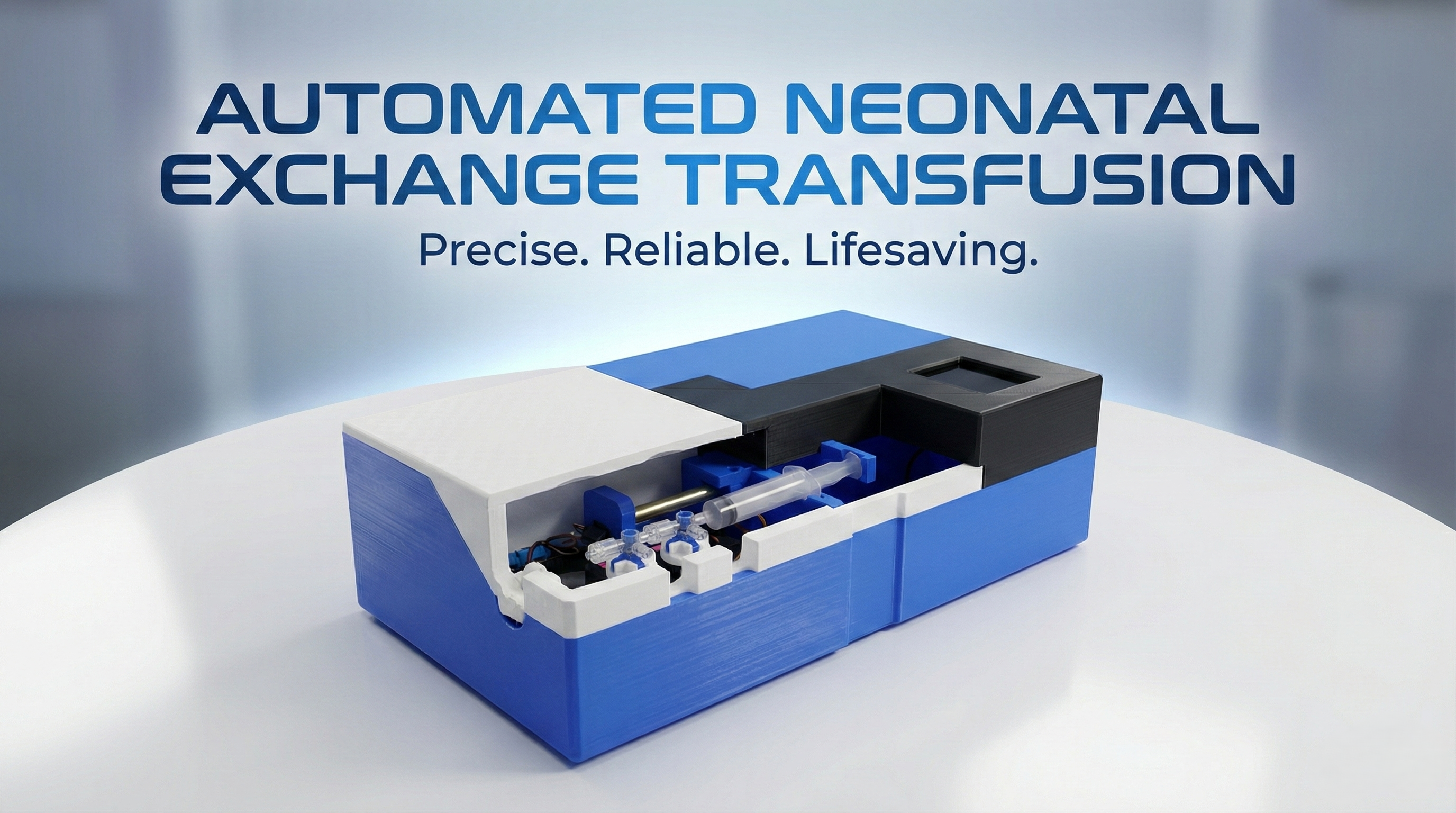
The Automated Neonatal Exchange Transfusion (ANET) device is a biomedical engineering initiative aimed at saving the lives of newborns suffering from severe neonatal jaundice (hyperbilirubinemia), a condition that remains one of the leading causes of preventable neonatal deaths and long-term disabilities in low-resource communities.
Designed at the intersection of clinical need and engineering innovation, ANET seeks to create the first affordable, safe, automated, and locally producible exchange transfusion system for neonates in Ghana and across Africa.
The Problem: Severe Neonatal Jaundice in Low-Resource Settings
Neonatal jaundice is extremely common, but when it becomes severe, it can cause bilirubin toxicity, leading to irreversible brain damage known as kernicterus, or even death. Exchange transfusion is the last-line treatment for severe jaundice when phototherapy fails.
The Reality in Ghana
Neonatal Jaundice (NNJ) is a major public health concern. While general prevalence is around 3%, hospital-based studies reveal a much more alarming picture:
Key Drivers & Challenges
However, the current solution is failing:
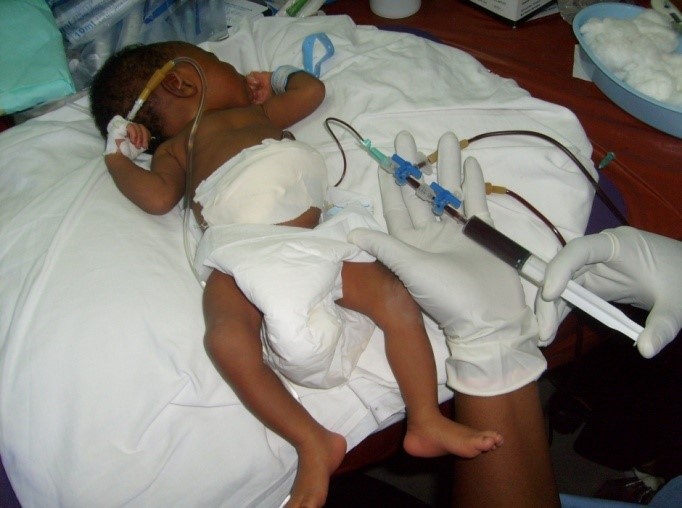
- Current exchange transfusions in many African hospitals are done manually, using syringes.
- The process is slow, exhausting, and highly dependent on clinician skill.
- Manual procedures are prone to error, infection, air embolism, volume miscalculation, and inconsistent blood withdrawal/infusion rates.
- Many facilities lack trained staff to safely perform the procedure.
- Existing machines abroad cost tens of thousands of dollars, making them inaccessible.
This gap leaves countless newborns vulnerable. ANET was created to solve this gap.
The Vision: A Safe, Affordable, Automated Solution
The vision behind ANET is simple but transformational: To build an automated exchange transfusion device that is clinically safe, economically accessible, and engineered specifically for hospitals in low-resource environments.
By automating the key steps of the procedure, ANET aims to:
- Reduce clinician workload
- Improve accuracy and safety
- Eliminate manual errors
- Reduce neonatal mortality and disability
- Provide rural and district hospitals with reliable neonatal care equipment
The project also represents a broader vision within DIPPER Lab: To redefine medical device innovation in Africa through context-appropriate engineering.
How Exchange Transfusion Works
A small amount of the newborn’s blood is withdrawn.
An equal amount of donor blood is infused.
This cycle repeats until 80–90% of the baby’s blood is replaced.
This critical process achieves:
"But the medical precision required is extremely high, explicitly necessitating automation."
Engineering Behind ANET
ANET is built around a precise, microcontrolled pumping system capable of synchronizing withdrawal and infusion cycles with high accuracy. Below is a simplified breakdown of the engineering components:
Control and Automation
- A microcontroller system handles motor control, safety checks, display functions, input from sensors, and communication with IoT systems.
- A PID-based algorithm regulates motor movement without the need for additional position sensors, reducing cost and complexity.
Pumping System
- A linear actuator drives the syringe or piston for precise movements.
- Motion is synchronized to match clinical exchange volumes per cycle.
The design ensures:
Safety and Sensing
"Safety is the core foundation of the design."
Technical Specifications
User Interface
Features an on-screen keyboard, real-time progress monitoring, and secure SD card data logging.
IoT Integration
Enables remote system access, centralized data logging, and early fault detection capabilities.
Clinical Workflow
Designed to be fully compatible with standard exchange transfusion kits commonly used in Ghana.
Why ANET Matters
Saving Lives
Directly targets neonatal mortality caused by severe jaundice and prevents neurological disabilities.
Supporting Clinicians
Frees clinicians to focus on monitoring, reduces fatigue, and minimizes human error.
Making Treatment Accessible
Provides rural and district hospitals with a safe, reliable alternative to expensive imports.
African Innovation for African Problems
ANET demonstrates that high-level biomedical engineering can be done here, by local engineers, in partnership with clinicians who understand the environment.
Summary
The Automated Neonatal Exchange Transfusion (ANET) device is a groundbreaking engineering solution developed to address one of the most urgent challenges in neonatal healthcare. With a strong vision rooted in affordability, safety, and contextual relevance, ANET integrates advanced control systems, medical-grade safety mechanisms, and user-centered design into a device capable of saving newborn lives where it matters most.
Support Our Mission
Help us provide life-saving technology to the hospitals that need it most. Your support can directly impact the survival of newborns in low-resource settings.